The Hidden Impact of Stress on Control Room Performance
As the sun sets over a quiet suburban street in South Africa, families lock their gates, neighbourhood patrols begin their rounds, and inside softly lit control rooms, another shift quietly takes over.
Rows of screens flicker. Radios crackle. Phones ring.
Operators sit before glowing screens, listening, watching, and waiting. For the outside world, things feel calm.
But inside, the pressure rarely fades.
The Science Behind The Stress
Control rooms are what researchers call “high cognitive load environments” - places where humans must process large volumes of information continuously and make fast, accurate decisions.
Studies show that operators face:
Constant alarm triggers
High responsibility for safety
Continuous monitoring of multiple systems
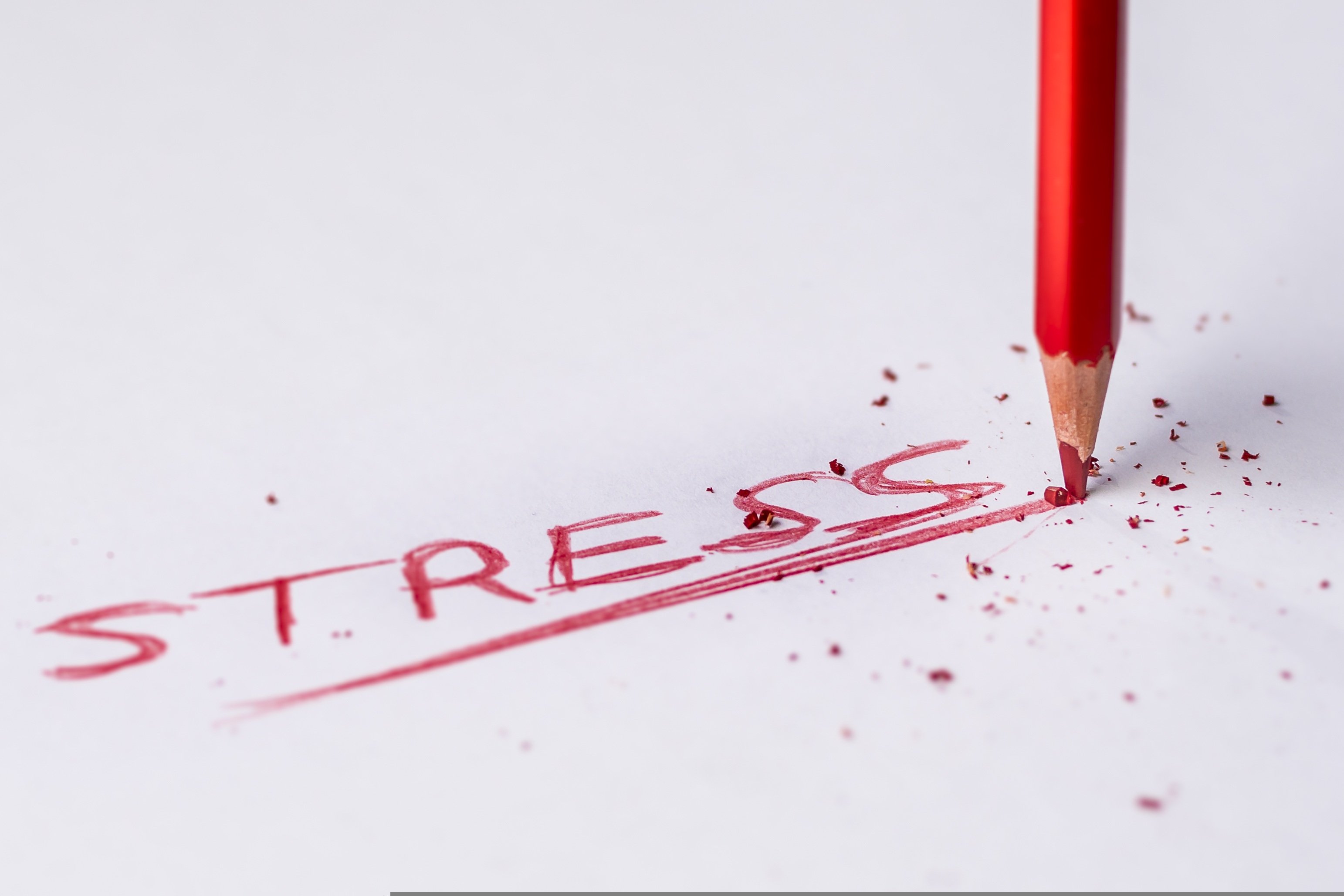
This creates a combination of stress, mental fatigue, and cognitive overload, which directly impacts performance.
One study found that stress and responsibility are among the largest contributors to workload in control room environments, driven by fear of mistakes, long shifts, and the critical nature of the work.
The Hidden Impact on The Human Mind
Research shows that cognitive overload affects operators in several ways:
Reduced situational awareness
Loss of awareness is a known precursor to incidents in control environments.
Slower reaction times
Fatigue reduces alertness and decision-making ability, increasing error risk.
Increased human error
Around 40% of operational losses are linked to human error, often influenced by stress and system design.
Burnout and mental strain
Chronic exposure to stress leads to anxiety, irritability, and reduced job satisfaction. Read more about the findings here.
Real-World Implications for Security Operations
The effects of stress and overload don’t stay in the control room, they ripple outward:
Missed or delayed responses
Critical alarms may be overlooked among false ones.
Risk to response teams
Incorrect or rushed decisions can put officers in danger.
Reduced public safety
Delayed intervention increases risk to clients and communities.
Operational inefficiency
Overloaded systems lead to poor prioritisation and wasted resources.
Three Easy Ways to Reduce Stress Backed By Science

Controlled Breathing (Immediate Reset)
Slowing breathing reduces stress and improves focus.
Inhale (4 seconds)
Hold (4 seconds)
Exhale (6 seconds)
Repeat steps 1 to 3 till refocused.
This helps regulate the nervous system during high-pressure moments.

Micro-Breaks to Prevent Mental Fatigue
Short breaks improve performance more than pushing through fatigue.
Even 2–3 minutes away from screens can:
Restore focus
Reduce eye strain
Improve decision-making

Cognitive “Reset” Between Incidents
After handling a stressful event:
Pause briefly
Mentally close the incident
Refocus on the present
This prevents one incident from affecting the next decision.
In the quiet towns and busy cities of South Africa, control room operators are the unseen link between danger and safety.
They don’t patrol the streets.
They don’t respond physically.
But every decision they make shapes what happens next.
And behind every screen, there is not just a system,
There is a human being carrying the weight of it all.