Road Rage vs. Professional Control: The 3 Decisions That Keep Security Officers Safe
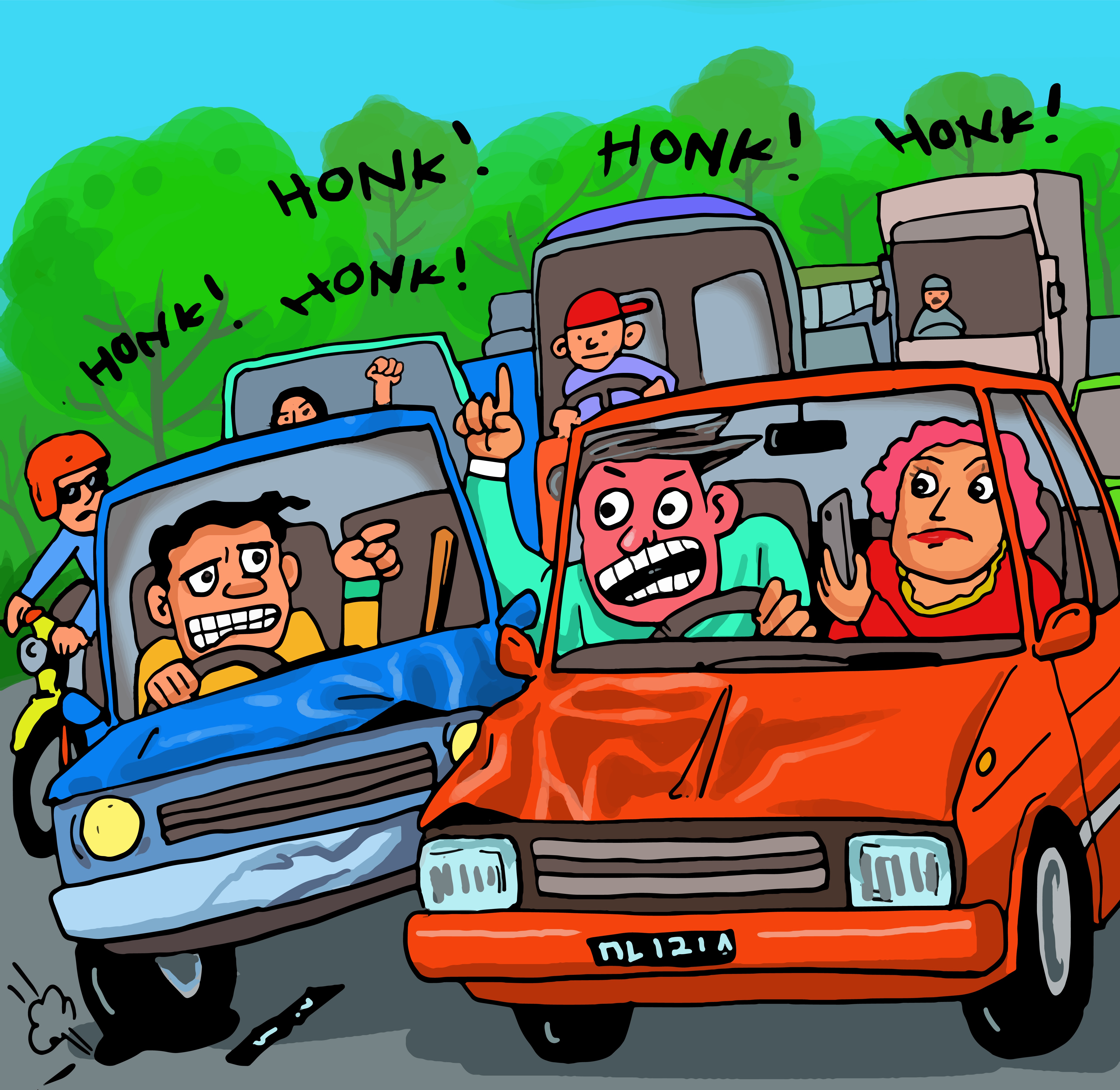
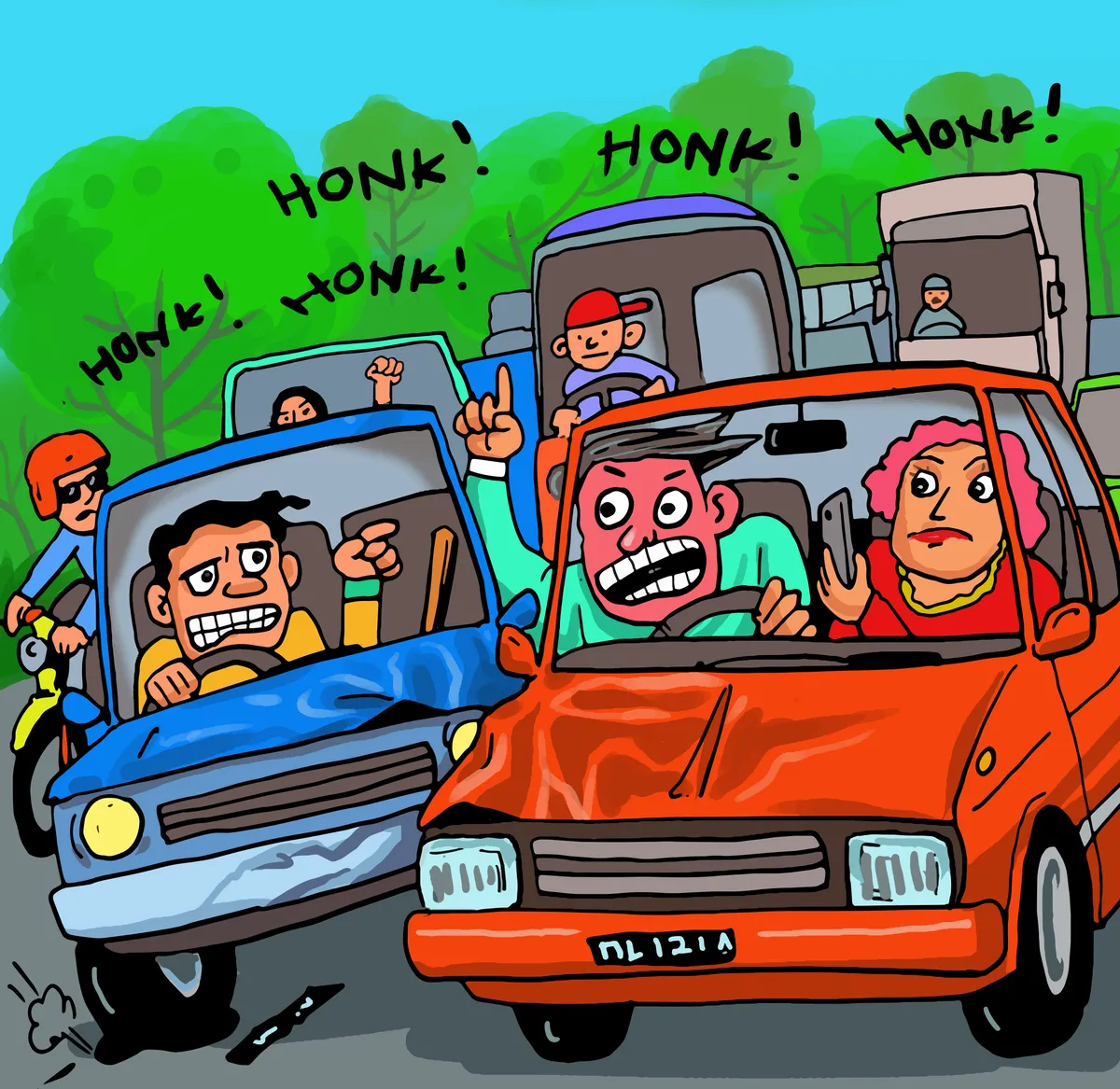
It was just after sunset on the N1 highway outside Pretoria. Traffic pressed in from all sides, and tension hung thick in the air. Sipho, an armed response officer, was heading back from a call when a vehicle swerved sharply in front of him. Hoooters blared. Arms waved. Within seconds, frustration turned into confrontation.
This wasn’t new. Across Johannesburg and Durban, incidents like these unfold daily - small driving errors spiralling into dangerous encounters. For security officers, the risk is even greater. You’re identifiable, you represent authority, and your reaction carries consequences far beyond the road.
Sipho had a choice to make in that moment.
He chose control.
He eased off the accelerator, avoided eye contact, and let the aggressive driver push ahead. Within moments, the situation dissolved. No confrontation. No escalation. Just another quiet decision that prevented something far worse.
Three Critical Tips for Security Officers

Create Distance Immediately
The first sign of aggression - tailgating, shouting, erratic driving - should trigger one response: space.
Slow down, change lanes, and let the driver go. Distance reduces risk instantly.

Do Not Engage
No gestures. No shouting. No eye contact. Even if you’re in the right, engaging turns tension into conflict.
Professional restraint is your strongest tool.

Stay in the Vehicle and Call It In
Your vehicle is your protection. Never step out unless absolutely necessary.
If the situation escalates - being followed or threatened - report it to control immediately with your location and details.
In cities like Cape Town, where pressure on the roads is constant, road rage is a reality. But for security professionals, the difference lies in response.
Because sometimes, the most powerful action you can take… is choosing not to react.