Choosing a Strong Password: Your First Line of Defense
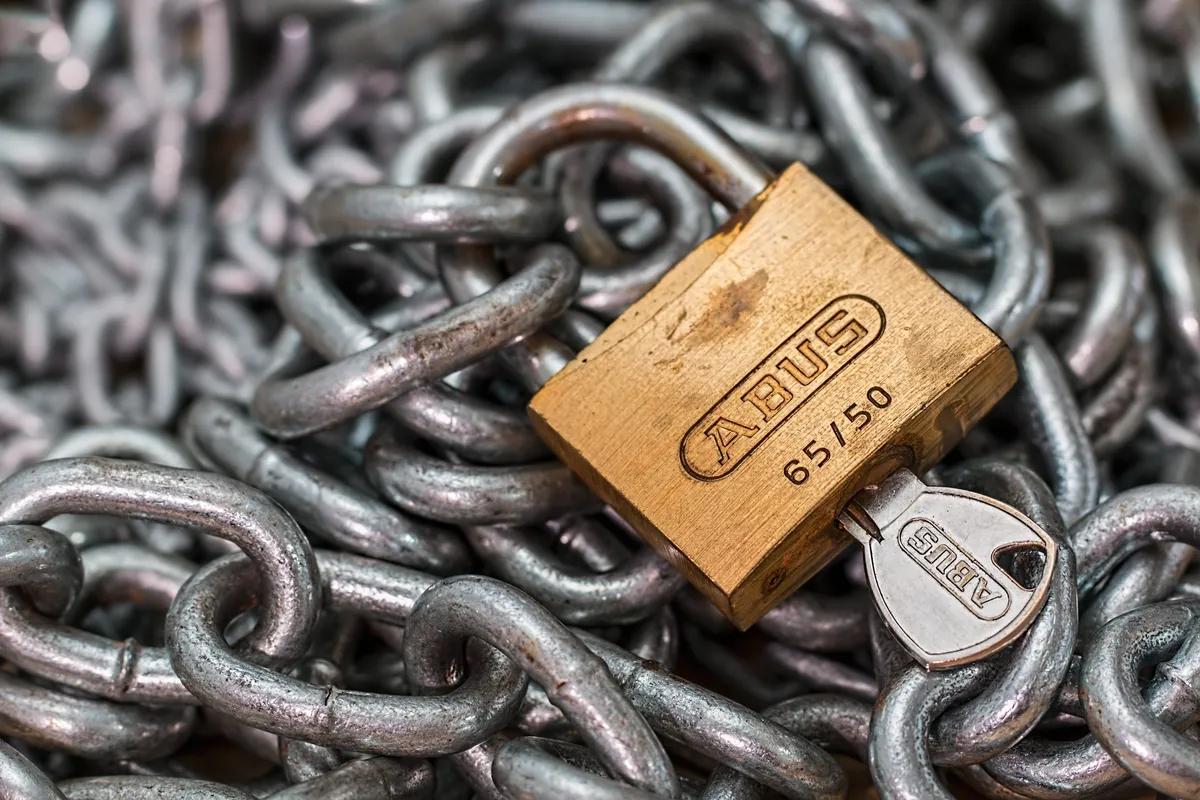
In today's digital world, a password is much more than a way to log into your accounts. It's the first line of defence against cybercriminals.
Every day, attackers attempt to steal personal information, financial data, and confidential business records by exploiting weak or reused passwords. Whether you're protecting your personal information or safeguarding critical business systems, choosing a strong password remains one of the simplest and most effective cybersecurity habits.
The good news?
You don't need to be an IT expert to make your accounts significantly more secure.
What Makes a Good Password?
A strong password should be:
Long: Aim for at least 16 characters. Longer passwords are significantly harder to crack.
Unique: Never reuse the same password across multiple accounts. If one account is compromised, reused passwords put all your other accounts at risk.
Difficult to Guess: Avoid names, birthdays, company names, sports teams, or anything that can be found on your social media profiles.
Random or Passphrase-Based: Use a combination of unrelated words, or a mix of uppercase letters, lowercase letters, numbers, and symbols.
For example:
Weak: John1990
Better: Blue-River!Coffee7Train
Even Better: Crimson!Falcon82#Library$Moon
Why Does This Advice Work?
Understanding how attackers operate helps explain why these simple habits make such a difference.

Longer Passwords Resist Brute-Force Attacks
Imagine a computer trying millions of password combinations every second.
Every additional character dramatically increases the number of possible combinations, making a long password exponentially more difficult to crack than a short one.
Unique Passwords Limit Damage
Data breaches happen.
When usernames and passwords are stolen, criminals often try those same login details on banking websites, email accounts and business systems. This is known as credential stuffing, and it succeeds because many people reuse passwords.
Using a different password for every account means one compromised account doesn't put all the others at risk.
Passphrases Are Harder to Predict
Attackers don't simply guess passwords one by one.
They use lists of common passwords, leaked credentials and publicly available personal information to predict what people are likely to choose.
A long passphrase made up of unrelated words removes those predictable patterns, making it far more difficult to guess.
Add Another Lock to the Door
Even the strongest password benefits from an extra layer of protection. Whenever possible, enable Multi-Factor Authentication (MFA).
MFA requires a second form of verification, such as a code sent to your phone or generated by an authentication app, before someone can access your account.
Even if a password is stolen, MFA makes it much harder for attackers to gain access.
Password Managers Make Security Practical
Remembering dozens of strong, unique passwords isn't realistic. That's where a password manager becomes invaluable.
Password managers securely generate, store, and automatically fill strong passwords for each account, allowing you to use different passwords everywhere without relying on memory.
Whether you choose RoboForm or another reputable password manager, the important thing is using one that helps eliminate weak and reused passwords.
Final Thoughts
Technology continues to evolve, but one fact remains constant: attackers often look for the easiest way in. Weak or reused passwords remain one of the most common ways cybercriminals gain unauthorised access to personal and business accounts.
Fortunately, protecting yourself doesn't have to be complicated.
Choosing long, unique passphrases, enabling Multi-Factor Authentication and using a password manager are simple habits that significantly reduce your cyber risk.
Your password is often the first door an attacker tries to open. Make sure it's a door they cannot easily unlock.
One last thing... burglars don't usually start by breaking through the wall. They try the front door first. Cybercriminals aren't much different.