
30 June Demonstrations: Preparation Over Panic
By now, you've probably seen the headlines, WhatsApp messages, and social media posts about 30 June. Some predict widespread disruption, while others expect business as usual.
With so much conflicting information, many businesses are asking the same question: What should we realistically expect?
Here's what is currently known, what organisations can prepare for, and why staying informed is more valuable than reacting to speculation.
This article reflects the latest verified information available at the time of publication. Circumstances may change, and organizations should continue to monitor official updates throughout the day.
What's Behind the Demonstrations?
The date has attracted significant public attention following calls from several organisations for demonstrations and awareness campaigns advocating stricter enforcement of immigration laws and stronger border controls.
While opinions on the issue differ, authorities have urged the public to remain calm. Businesses, municipalities, law enforcement agencies, and security providers have also been reviewing their operational readiness as a precaution in case localised disruptions occur.
The government has reaffirmed that peaceful protest is a constitutional right while making clear that criminal activity, intimidation, violence, and property damage will not be tolerated.
What Does This Mean for Businesses?
At the time of writing, the government has stated that 30 June is expected to be a normal working day, with businesses, schools, and public services continuing to operate as usual. There is no indication that businesses should close or that normal daily activities will be suspended nationwide.
While demonstrations are expected in some areas, businesses should base operational decisions on local conditions and official updates rather than rumours circulating on social media.
Depending on local circumstances, some areas may experience:
Increased police visibility.
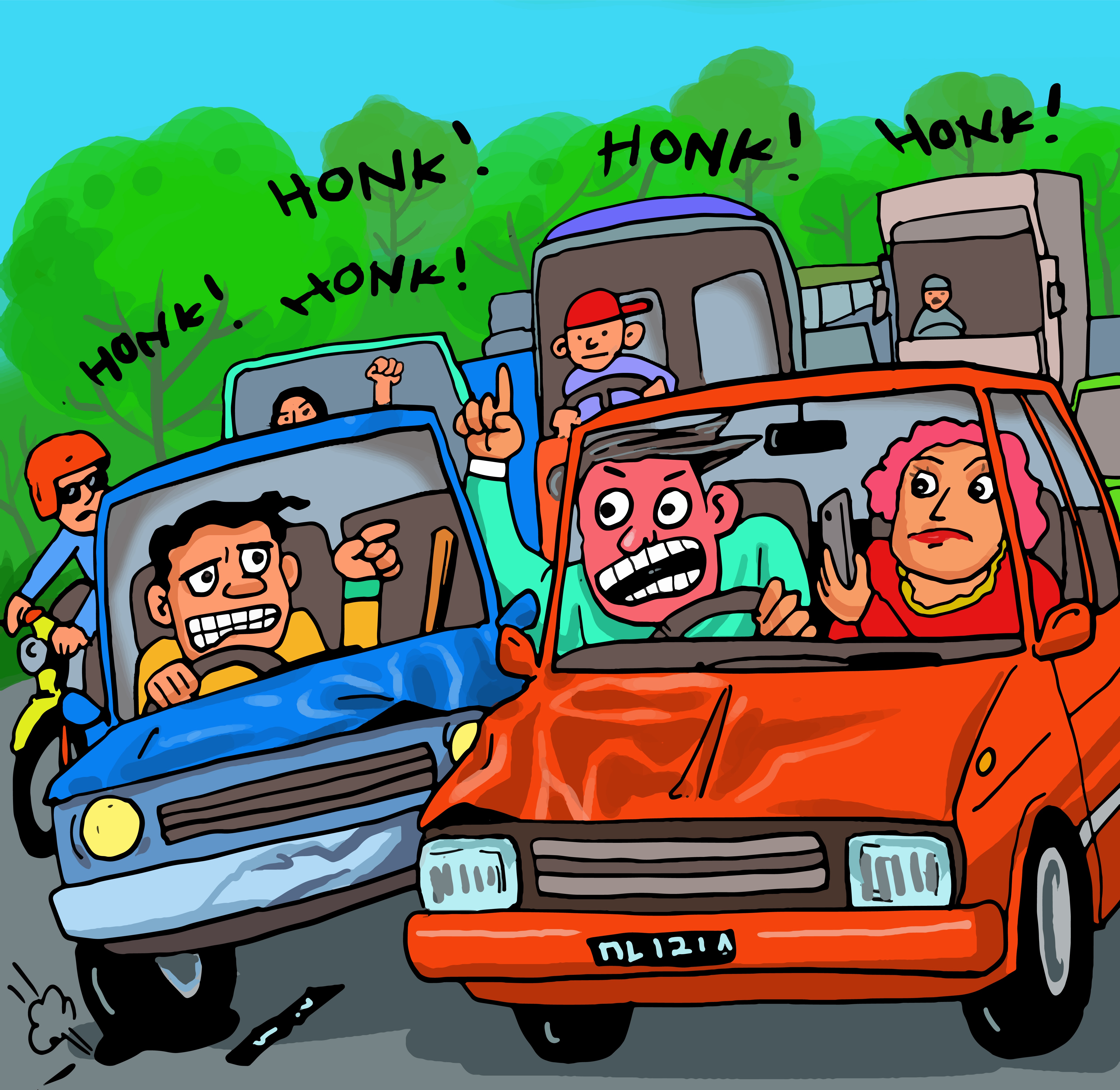
Temporary road closures or traffic delays.
Demonstrations in public spaces.
Additional security deployments.
Businesses operating across multiple locations should remember that any disruptions are expected to be localised rather than nationwide, making local monitoring more valuable than broad assumptions.
Preparation does not mean expecting disruption; it simply helps organisations respond effectively should circumstances change.
3 Practical Steps Security Operators Can Take Now

1. Prepare for Increased Client Queries
Clients may seek reassurance or request updates as the date approaches. Ensure control rooms, supervisors, and frontline personnel have access to accurate information and consistent communication procedures.
Clear communication can help reduce uncertainty and strengthen client confidence.

2. Review Alternative Routes and Response Plans
Even peaceful demonstrations can lead to temporary traffic congestion or road closures.
Ensure response teams, patrol vehicles, and operational staff are familiar with alternative routes to key client sites to help maintain service levels should localised disruptions occur.

3. Focus on Verified Information
Periods of heightened public attention often generate misleading information online.
Rely on verified reports, official communication channels, local intelligence networks, and trusted sources before making operational decisions or sharing information with clients.
The Importance of Verified Information
High-profile public events often result in rumours spreading quickly across social media. While some reports may prove accurate, unverified information can create unnecessary concern and lead to poor operational decisions.
Businesses should avoid reacting to speculation and instead rely on official communication channels and trusted news sources when assessing potential risks.
Stay Informed Through Trusted Sources
For the latest verified information, monitor official communication channels, including:
South African Police Service (SAPS).
Your local municipality or traffic authority.
Reputable national news organisations.
Staying Prepared
While 30 June has attracted considerable public attention, there is currently no indication that businesses should expect widespread disruption.
Organisations that stay informed, communicate clearly, and prepare sensible contingency plans will be well-positioned to respond should localised issues arise.
At Classic Systems, we will continue monitoring developments and remain committed to keeping our clients informed of any verified information that may affect their operations.